Smell gas or rotten eggs? Leave the building immediately, do not switch anything on or off, and call 911 from outside. Call us once you are safe.
When to call about a gas line
- A sulphur or rotten-egg smell indoors or near the meter
- A hissing sound near a gas line or appliance
- Dead patches of grass over a buried gas line
- Pilot lights that keep going out
- Adding a gas range, dryer, pool heater or outdoor kitchen
How we handle it
- Make it safe first
If gas is escaping, the supply gets shut off before anything else happens.
- Test the system
Pressure testing and leak detection find where the system is losing gas.
- Repair or replace the run
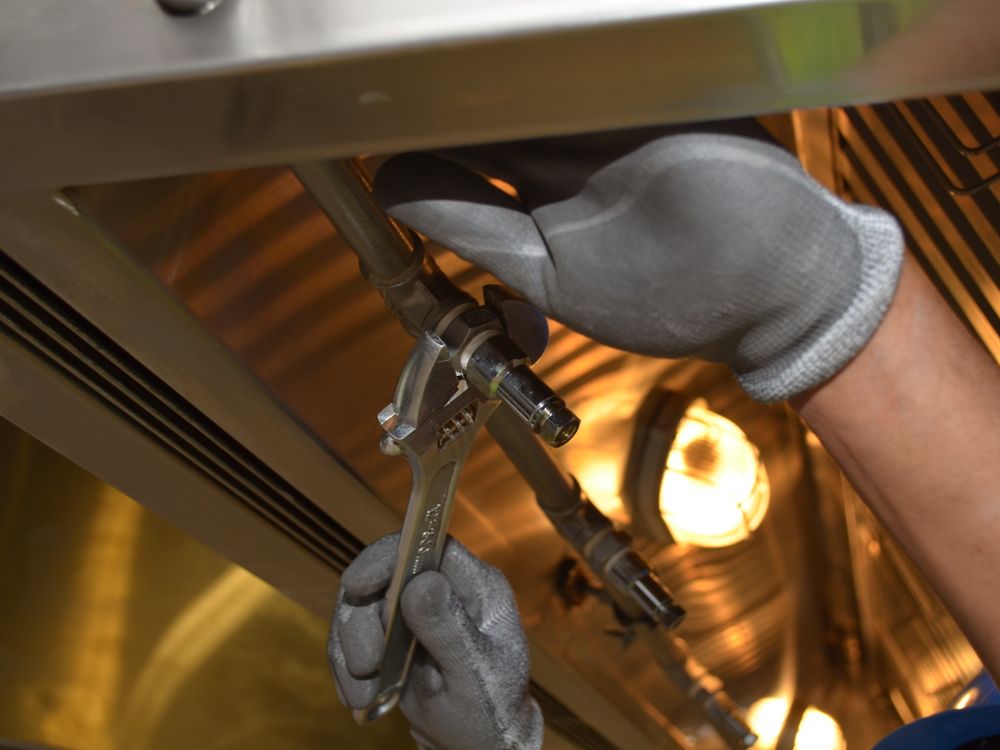
Damaged or corroded sections are replaced with correctly sized, correctly supported pipe.
- Test again and certify
The system is pressure tested after the work, and left ready for inspection where that applies.
Gas work and local rules
Gas piping in Texas is licensed work, and inspections exist for a reason — an undersized or badly supported line is a hazard for years before it fails. New appliance runs also have to be sized for the whole load, not just the new appliance, which is where a lot of add-on installations go wrong.
What it costs
It depends on what the job turns out to need, so we diagnose first. Your plumber then gives you an upfront price, and you approve it before anything starts.
Questions people ask
I can smell gas — what do I do right now?
Leave the building, take everyone with you, and do not touch light switches, appliances or your phone until you are outside. Call 911 from a safe distance, then call us.
Can you add a line for a new range or outdoor kitchen?
Yes, including sizing the run for the total load and testing the system afterwards.
Do you handle the inspection?
We do the work to code and prepare it for inspection where the job requires one.